Putting Green Installation in Langley Designed for Golf Enthusiasts
The Positives of Artificial Grass Installation: A Hassle-Free Landscaping Alternative
Installing synthetic turf provides a practical answer for modern landscaping requirements. It delivers ecological benefits by saving water and removing dangerous substances. Additionally, its longevity and vibrant look minimize maintenance work and costs. As outdoor spaces change, the attraction of artificial grass continues to increase. However, knowing its full range of advantages is crucial for taking an well-thought-out choice. What particular advantages might astonish property owners considering this alternative?
The Environmental Benefits of Artificial Grass
While many homeowners search for attractive landscapes, the ecological benefits of artificial grass offer strong reasons for its installation. Artificial grass substantially reduces water utilization, an essential factor in regions prone to drought. Traditional lawns necessitate substantial irrigation, contributing to water scarcity; however, synthetic turf eliminates this need, protecting a crucial resource.
Additionally, synthetic turf minimizes the consumption of pesticides and fertilizers, which can harm local ecosystems. By reducing chemical runoff, it protects soil and waterways from contamination. Moreover, artificial turf does not require mowing, which decreases air pollution and noise from lawn maintenance equipment.
Furthermore, it offers a home for urban animals, as some artificial grass are created to promote biodiversity. As homeowners increasingly prioritize sustainability, the environmental benefits of artificial grass present a progressive solution for creating green spaces that match ecological values.
Save Hours and Money With Artificial Grass
Artificial grass provides substantial financial advantages by substantially decreasing water usage and reducing upkeep expenses. Homeowners can enjoy lush, green lawns without the ongoing upkeep required for natural grass. As a result, both time and money are conserved, making artificial turf an appealing choice.
Lower Water Utilization
Many property owners are discovering the important perks of reduced water usage that originate from putting in artificial grass. Unlike natural lawns, which demand substantial irrigation to preserve their appearance, artificial grass remains vibrant without any additional water. This decrease in water consumption not only preserves a crucial resource but also helps homeowners reduce their water bills considerably. In regions facing drought or water restrictions, artificial grass provides an environment-friendly alternative, ensuring that outdoor spaces remain lush and inviting without the need for constant watering. By opting for artificial grass, homeowners contribute to sustainable landscaping practices while enjoying a beautiful yard that demands minimal water, making it a smart choice for those looking to reduce their ecological footprint.
Decrease Service Costs
Applying artificial turf to a yard significantly cuts maintenance expenses for homeowners. Conventional lawns call for routine mowing, fertilizing, and pest management, all of which can be demanding and high-priced. By comparison, artificial grass avoids the need for these activities, resulting in considerable savings over time. Homeowners skip the difficulty of equipment upkeep or employing landscaping professionals. Moreover, no watering is required, further reducing utility bills. The durability of artificial grass also means fewer replacements and repairs, boosting its cost-effectiveness. Given the minimal maintenance needed, homeowners can enjoy a flawless landscape without the ongoing financial load related to natural grass care. Hence, artificial grass is a desirable choice for those looking for a economical landscaping option.
Why Lifelike Turf Looks Fantastic in Your Yard
Premium turf improves a yard with its natural appearance and texture, closely mirroring real grass. Its year-round vibrant color confirms a rich, welcoming environment regardless of the season. This synthesis of visual appeal and steadiness makes artificial grass a standout choice for homeowners.
Natural Visual Appearance and Texture
Though some may challenge the beauty of artificial turf, its realistic look and feel often overcome such reservations. State-of-the-art technological advances have resulted in synthetic grass that realistically captures the appearance and feel of real turf. The intricately designed strands replicate the nuances of grass blades, providing a realistic sensory experience. This breakthrough allows property owners to obtain a green lush landscape without the drawbacks of standard grass, such as browning or patchy areas. Additionally, the variety of surface options available assures that people can select a grass that ideally complements their outdoor environment. To conclude, the authentic quality of synthetic turf boosts the beauty of any yard, making it a attractive yard choice.
Year-Round Rich Color
One of the notable features of synthetic turf is its ability to maintain vibrant color across the year. Unlike organic turf, which can fade or turn brown with changing seasons, artificial turf remains verdant and green regardless of weather conditions. This uniformity enhances the overall appearance of any landscape, providing a inviting environment for both homeowners and visitors. The advanced technology used in crafting lifelike turf ensures that colors are not only bright but also protected to UV rays, preventing fading over time. Additionally, the consistent look of synthetic turf removes patchy spots often seen in natural lawns, creating a polished look. As a result, homeowners can enjoy a attractive yard without the upkeep required for traditional grass.
Pet-Friendly Advantages of Artificial Grass
How can animal owners confirm their pets have a protected and hygienic outdoor area? An effective solution is to install pet-safe artificial grass. This synthetic grass provides a soft, comfortable surface that is safe for paws, making it ideal for pets to frolic and roam unrestricted. In contrast to natural grass, artificial turf is resistant to muddy patches and distasteful wear, creating a neat outdoor space.
Moreover, many types of artificial grass are crafted with drainage systems that allow urine and moisture to filter through, preventing unpleasant odors and maintaining the area hygienic. The materials used in artificial grass are also non-toxic, offering peace of mind to pet owners concerned about their pets' health. Furthermore, its durability guarantees it can bear vigorous play, making it a resilient choice for families. As a result, pet-friendly artificial grass efficiently combines safety, comfort, and low maintenance for a peaceful outdoor experience.
Simple Upkeep: Caring for Your Grass
Looking after artificial grass is simple, enabling pet parents to focus on savoring their outdoor space with their furry companions. Unlike natural grass, synthetic grass requires sparse upkeep. Routine brushing is necessary to sustain its appearance, helping to separate the strands and hold them looking fresh. Waste from pets can easily be taken care of; a easy splash with water is frequently suitable. For stubborn stains or odors, a mild soap solution can be applied.
Occasional rinsing is also useful to remove dirt and debris. In addition, ensuring sufficient drainage is crucial to prevent any accumulation of water or odors. During extreme weather, such as heavy snowfall, a light rake can help keep the surface clear. By following these straightforward upkeep tasks, artificial grass remains an attractive and functional element to any yard, establishing it as an superb selection for pet owners desiring a stress-free yard lifestyle.
Steps for Ensuring a Smooth Artificial Grass Installation
Preparing for an artificial grass installation requires thoughtful evaluation to ensure a smooth operation. Initially, proper site preparation is essential. This involves removing debris from the area, current turf, and weeds, followed by leveling the ground to create a solid foundation. Subsequently, a landscape cloth may be laid down to prevent weeds from developing and enhance water flow.
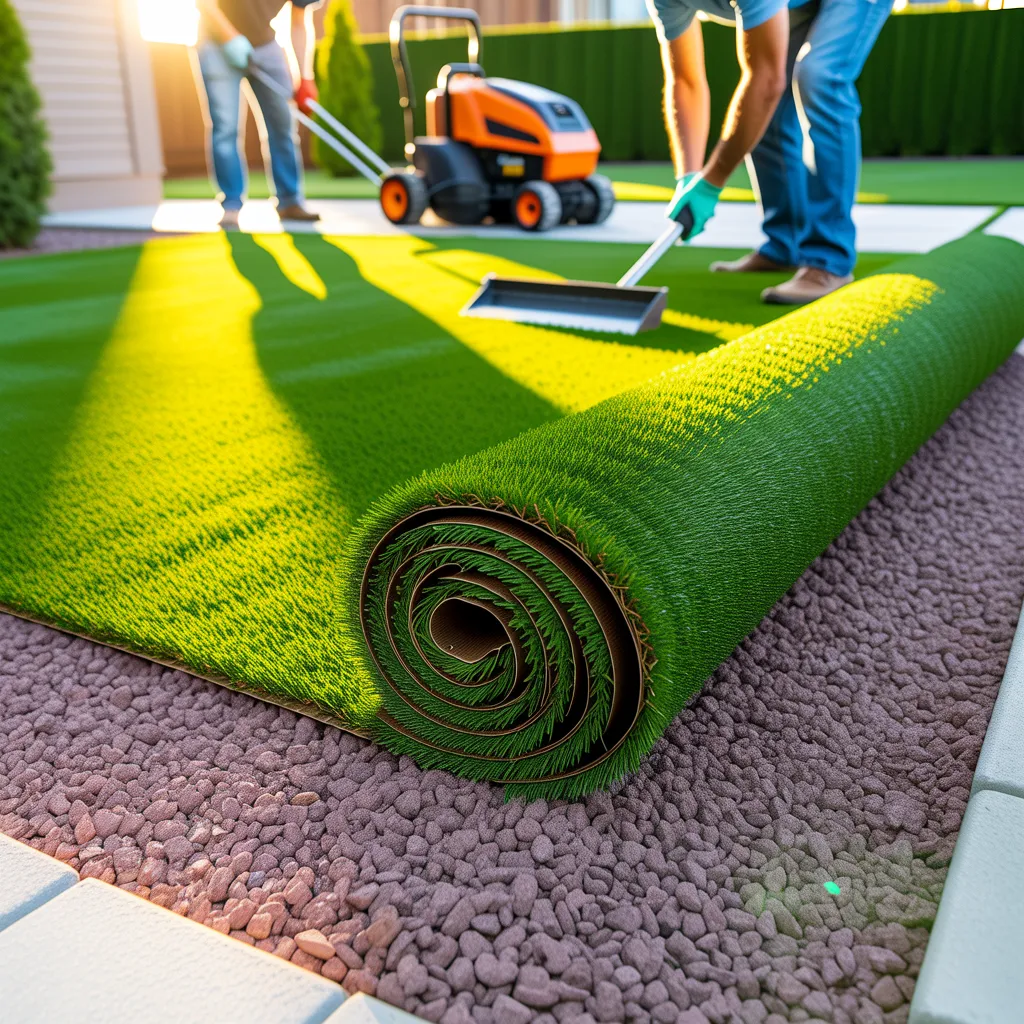
Once the base is constructed, the installer should lay down a mixture of aggregate or decomposed granite to achieve the desired drainage and firmness. After compacting this layer, the artificial grass rolls can be unrolled and sectioned to fit the designated area.
Fix the edges with landscape staples or adhesive, checking the seams are neatly connected for a authentic appearance. Finally, infill material such as silica sand or rubber granules must be added to enhance stability and mimic the feel of real grass. Correct installation secures longevity and ideal performance of the artificial turf.
How to Select and Evaluate Artificial Grass Choices
Picking the right artificial grass involves evaluating various options to ensure compatibility for specific needs. Key factors to contemplate include pile height, which affects look and feel, and fiber type, with options ranging from polyethylene to nylon, each offering distinct longevity and texture.
Furthermore, you should assess the thickness and mass of the grass, as these qualities affect resilience under foot traffic. Color choices also play a crucial role, with selections available from realistic greens to more vibrant shades, meeting personal preferences.
It is crucial to compare warranty terms and content upkeep needs provided by different manufacturers, ensuring long-term satisfaction and performance. Finally, seeking samples can assist in assessing texture and aesthetics firsthand, enabling a more educated decision. By thoroughly considering these aspects, individuals can select artificial grass that fulfills both functional and aesthetic criteria successfully.
Frequently Requested Questions
Is Man-made Grass Suitable for Kids to Enjoy On?
Artificial grass is generally appropriate for children to play on, as it is designed to be toxin-free and without hazardous substances. Additionally, its padded feel reduces the probability of accidents during recreational activities.
What Period Should You Expect from Synthetic Turf?
Artificial grass often lasts 15 to 25 years, affected by factors such as construction quality, wear and tear, and environmental conditions. Consistent maintenance can increase its years of use, maintaining a tough and pleasant surface for various activities.
Can Synthetic Grass Strengthen Property Value?
Artificial grass can raise property value by supplying a striking, easy-to-maintain substitute for natural lawns. Prospective buyers often enjoy the minimal care and steady appearance, making properties with artificial grass more attractive in the market.
Which Areas Work Ideally with Artificial Grass?
Artificial grass does well in various climates, particularly in areas with temperate weather and low rainfall. It functions well in areas with heat, drought, or limited water resources, delivering a resilient answer for varied climate situations.
How Does Installing Artificial Grass Influence the Nearby Wildlife?
Artificial grass could damage local fauna by decreasing native vegetation, restricting nutritional resources, and establishing obstacles for small animals. However, it may also provide a safe, clean environment for pets and play areas.